
Chat with us
1

Beyond Windows: The Strategic Role of 3D Modeling in Aluminum Joinery Planning

5 min read
Beyond Windows: The Strategic Role of 3D Modeling in Aluminum Joinery Planning

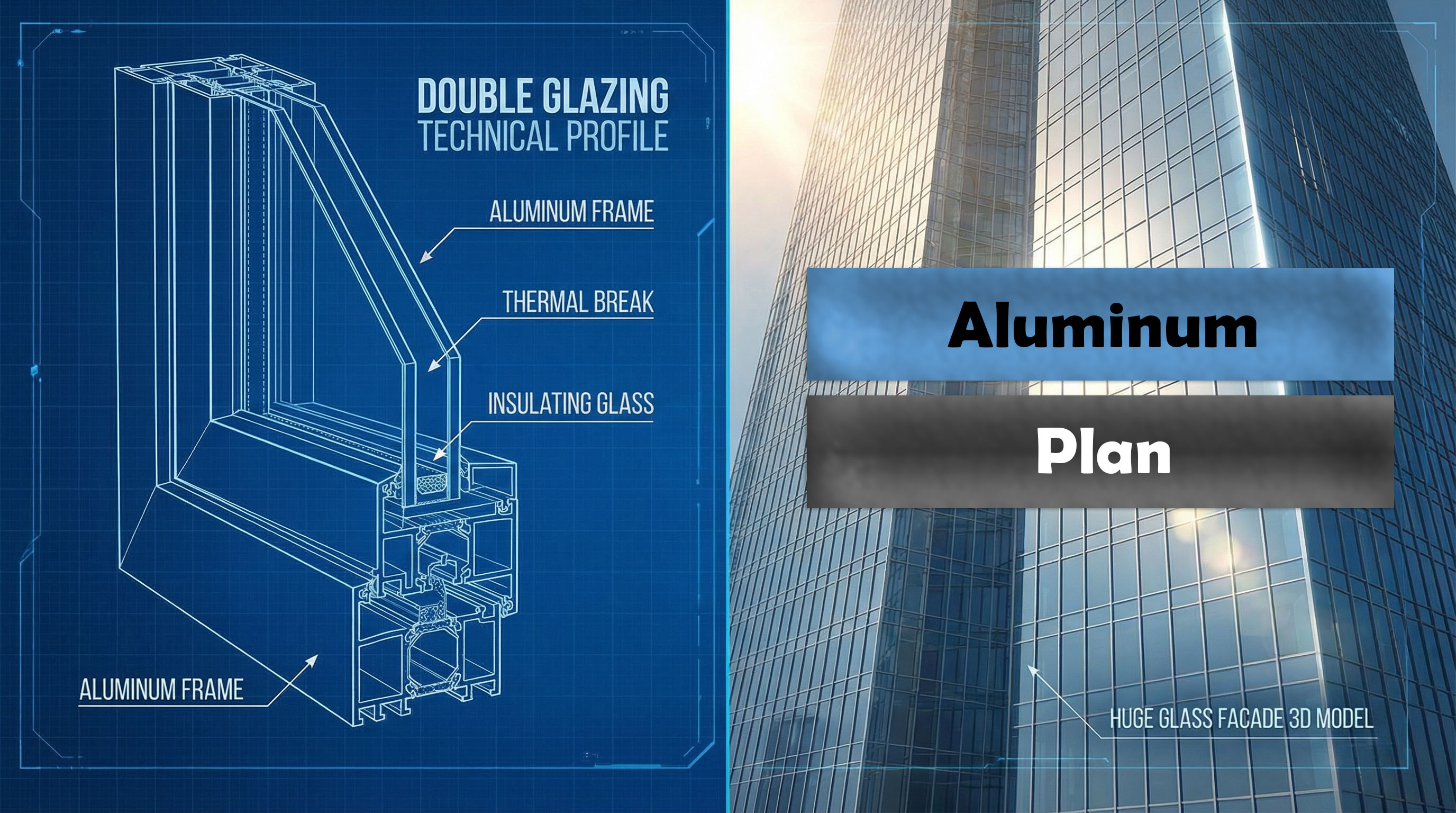
In modern architectural design, aluminum has become the preferred material for its strength, durability, and sleek aesthetic. From massive curtain walls to minimalist sliding doors, aluminum joinery defines the project's character and energy performance. The Plan Menuiserie Aluminium (Aluminum Joinery Plan) is the technical document that specifies every metal element in the building. At Buildmodeler 3D, we leverage 3D Modeling to ensure that these complex systems are perfectly integrated into the building’s structure.

What is an Aluminum Joinery Plan? This plan is a fundamental part of the DCE (Technical Dossier) phase. It acts as a precise guide for the manufacturer, covering:

1. Aluminum Doors and Windows: Specifying opening types (sliding, casement, or pivot) and profile thicknesses.
2. Aluminum Cladding: Decorative or protective panels that cover exterior or interior surfaces.
3. Aluminum Slats (Lames en Alu): Used for sun-shading (Brise-soleil), privacy screens, or modern architectural accents.
4. Special Structures: Such as aluminum-framed glass partitions or custom shelving systems.

The Complexity of Metal and Glass Aluminum joinery is often one of the most expensive items in a construction budget. Unlike wood, which can sometimes be adjusted on-site, aluminum profiles are manufactured to exact specifications in a factory. An error in measurement or a misunderstanding of the structural opening can result in significant delays and wasted resources.

Why 3D Modeling is Essential for Aluminum Joinery Integrating 3D Modeling into the aluminum planning phase provides a level of security that traditional 2D plans cannot match:

5. Millimeter Accuracy for Structural Openings: In a 3D environment, we model the exact "Brut" (rough) opening of the masonry. This allows us to design the aluminum frame to fit perfectly with the required tolerances, ensuring a seamless installation without on-site modifications.
6. Thermal and Solar Simulation: Aluminum is a conductor of heat. Through 3D modeling, we can visualize the placement of thermal breaks and analyze how solar radiation affects the interior space through large glass surfaces. This helps in choosing the right type of glass and profile for maximum energy efficiency.
7. Complex Interface Management: Aluminum joinery must interact with flooring, ceilings, and exterior cladding. A 3D model allows us to visualize these "node points." For example, we can ensure the sliding door track is perfectly flush with the interior floor level, achieving that sought-after minimalist look.
8. Visualizing Hardware and Finishes: Aluminum comes in various textures (anodized, powder-coated, or wood-grain). With 3D rendering, the client can see exactly how the chosen color (like Anthracite Grey or Bronze) looks in different lighting conditions before the order is placed.

Conclusion The Aluminum Joinery Plan is where structural strength meets aesthetic transparency. By utilizing Advanced 3D Modeling, you remove the uncertainty from custom manufacturing. It provides the manufacturer with a flawless technical roadmap and the owner with a photorealistic preview, ensuring that every aluminum element contributes to a high-performance, modern building.

Discover more articles

Explore our collection of articles on 3D modeling and architecture.