
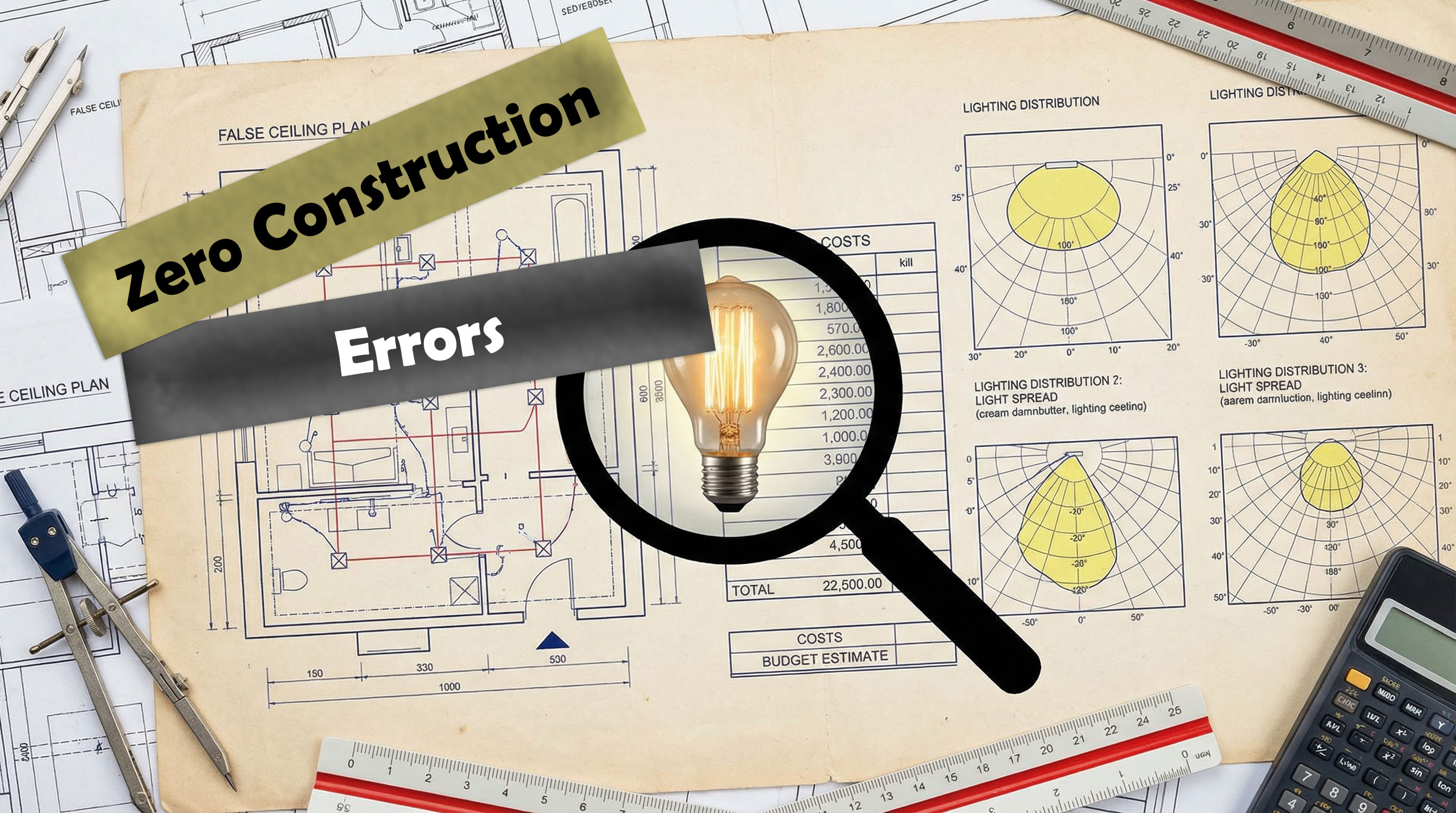
After securing the building permit, your project enters its most detailed technical stage: the DCE (Dossier de Consultation des Entreprises). This phase is the bridge between the design and the actual construction. Its primary objective is to produce a comprehensive technical package that allows contractors to provide accurate, competitive, and transparent price quotes. At Buildmodeler 3D, we transform this phase from a simple collection of drawings into a high-precision digital environment using 3D Modeling.
What is the DCE Phase? The DCE is essentially the "Instruction Manual" of the building. It involves the preparation of every technical detail required for construction. Instead of general layouts, we produce specific plans for:
The Selection of Contractors Once this dossier is ready, it is sent to various companies for bidding. The goal is to compare quotes ("Devis") based on the exact same technical specifications. Without a solid DCE, you risk receiving quotes that vary wildly in price and quality, leading to disputes later.
Why 3D Modeling is the Game-Changer in DCE In this phase, 3D Modeling moves from being a visual aid to a powerful financial and technical tool:
The Competitive Advantage A project backed by a 3D-integrated DCE attracts more professional contractors. It shows that the project is well-studied, reducing the risk they might otherwise price into their quotes.
Conclusion The DCE phase is your best defense against budget overruns and technical errors. By utilizing Advanced 3D Modeling, you provide contractors with a clear, indisputable technical roadmap, ensuring that you get the best price for the highest quality of work.