
Chat with us
1

The Living Architecture: Why 3D Modeling is Essential for Landscape and Garden Planning

5 min read
The Living Architecture: Why 3D Modeling is Essential for Landscape and Garden Planning

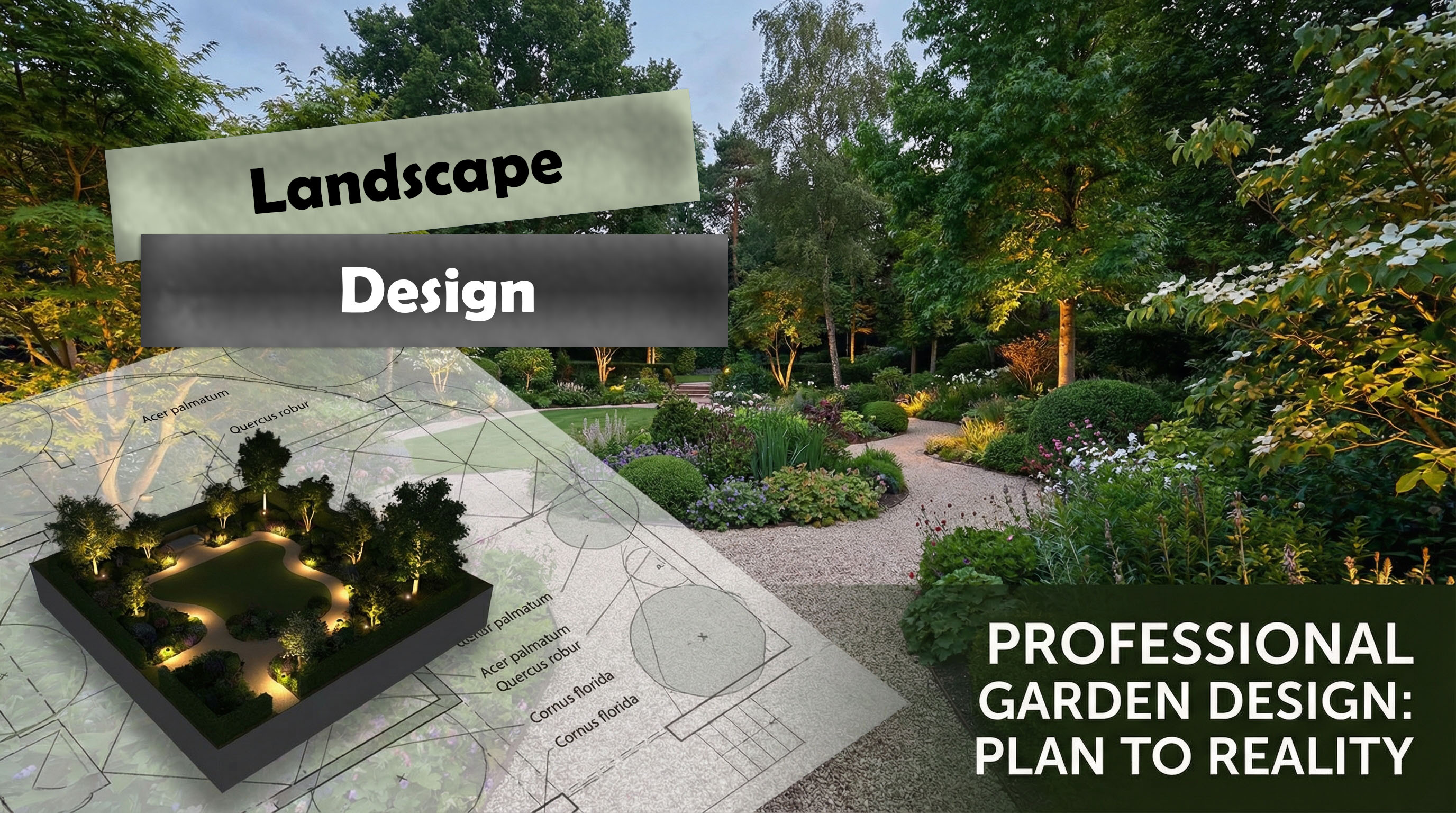
Architecture does not stop at the exterior walls of a building. The surrounding environment, the gardens, and the outdoor living areas are just as vital to the project's success as the interior spaces. This is the realm of the Plan Paysagiste (Landscape Plan). It is a strategic document that outlines the organization of outdoor spaces, the selection of plant species, and the integration of hardscape elements. At Buildmodeler 3D, we believe that 3D Modeling is the only way to visualize the living, breathing future of your project’s landscape.

What is a Landscape Plan? The Plan Paysagiste is a specialized technical document. It provides a comprehensive map of the outdoor areas, specifying:

1. Plant Selection (Palettes Végétales): Listing the exact names and types of trees, shrubs, and flowers to be used, considering their climate compatibility.
2. Hardscape Design: Defining the placement of pathways, pergolas, swimming pools, and fountains.
3. Lighting and Irrigation: Mapping out the technical networks required to maintain the greenery and provide nighttime ambiance.
4. Topography Management: Organizing slopes, retaining walls, and drainage systems for the outdoor terrain.

The Challenge of Living Materials Unlike bricks and mortar, plants are living organisms that grow and change over time. It is difficult for a client to understand from a 2D circle on a paper how a specific tree will shade a terrace or how the colors of different flowers will harmonize during spring. Without a detailed 3D preview, landscaping often becomes a "trial and error" process, which can be expensive if plants die or if the layout feels cluttered once matured.

Why 3D Modeling is Essential for Landscape Planning Integrating 3D Modeling into the landscape phase transforms a flat plan into a vibrant, interactive reality:

5. Visualizing Growth and Time: In a 3D model, we can simulate how the garden will look at the time of planting versus five or ten years later. This allows you to plan for the long-term growth of trees, ensuring they don't block views or interfere with the building's structure as they mature.
6. Photorealistic Species Preview: Instead of generic green icons, we use high-quality 3D assets that represent the actual species selected (e.g., Palm trees, Olive trees, or Lavender). You can see the exact textures and colors, ensuring the botanical palette matches the architectural style of the building.
7. Shadow and Light Analysis: 3D rendering allows us to simulate the sun's path throughout the day. You can see exactly where the shadows will fall, helping you decide where to place sun-sensitive plants or where to position your outdoor seating area for maximum comfort.
8. Nighttime Ambiance Simulation: Landscape lighting is a key aesthetic element. In 3D, we can place "virtual lights" to show you how the garden glows at night. You can visualize the uplighting on trees and the illumination of pathways before a single cable is laid on-site.

Conclusion The Landscape Plan is the soul of your project’s exterior. By leveraging Advanced 3D Modeling, you eliminate the uncertainty of botanical design. It provides a foolproof roadmap for landscapers and a breathtaking preview for the owner, ensuring that your outdoor space becomes a perfect, sustainable extension of your architectural vision.

Discover more articles

Explore our collection of articles on 3D modeling and architecture.